


The Value of Managing Psychosocial Risks: Burden or Strategic Investment?
The way we think about workplace health and safety is shifting, driven by the national adoption of psychosocial risk management codes of practice and state-based changes taking effect as recently as December 2025, marking a significant turning point. Psychosocial health has been on the radar for some time, but its move into the formal Regulations places a firm responsibility on employers to actively identify and manage these risks.
This isn’t just paperwork. Safe Work Australia reports that psychological health now makes up 12% (up from 9.3% in 2022) of all serious workplace injury and disease claims, and with so many Australians experiencing low mental health, the environment people work in matters more than ever. A workplace where people feel supported and safe isn’t a “nice to have”, it’s a real contributor to performance, stability, and retention.
Psychosocial hazards can feel vague or hard to define, contributing to a worrisome & overwhelmingly grey area. With one in five Australians reporting having experienced a mental health issue in the last year, and two in five leaving a job due to a poor mental health environment in the workplace, it is more important than ever to interpret the grey and create a workplace that allows your people to feel safe and supported.
The scale of the obligations, and the potential fines, which can reach $11.8 million,< can seem intimidating at first. But the real opportunity sits beyond compliance and is found in strengthening the health of your workforce and building a more resilient organisation.
Why Psychosocial Risk Matters
While psychological health has always been considered under the Workplace Health and Safety Act, it is now incorporated into the state-based Codes of Conduct, meaning employers are now obligated to consider the assessment and management of those factors that may impact psychosocial health.

Psychosocial hazards can lead to a wide range of consequences, from anxiety and sleep issues to physical injuries tied to fatigue or stress. When people feel mentally healthy at work, it enables them to bring more energy and openness to their work, helping them to speak up and collaborate with confidence. That sense of safety plays a big role in innovation, performance, and the overall culture of a team.
A good starting point is a simple question:
“Do we have processes that truly support effective psychosocial risk management, and do they reflect input from our people?”
If the answer is shaky, the next question is:
“Are we treating these changes as a burden, or an investment?”
Change as a Burden
Viewing psychosocial risk management as a burden may lead to a minimalist approach – doing just enough to scrape by legally. This defensive stance limits the organisation’s growth and can be more costly in the long run, as it fails to address the underlying issues that affect employee well-being and, consequently, productivity.
Change as an Investment
On the flip side, perceiving these changes as an investment shifts the focus.
Taking an investment mindset changes the whole picture. Improving psychological health at work leads to outcomes that benefit everyone:
- Better mental health and wellbeing
- A stronger reputation as an employer
- Higher productivity
- Reduced absenteeism and turnover
- More engaged, connected teams
With this in mind, aligning with the Code becomes less about ticking boxes and more about setting a higher benchmark for how the organisation operates.

It’s about recognising the profound advantages of cultivating a mentally healthy workplace – not just for avoiding fines but for the inherent value it brings. By prioritising the psychological well-being of the workforce, organisations can enhance overall function, drive continuous improvement, and significantly reduce workplace stress.
The benefits of adopting an investment mindset towards psychosocial risk management are multifold – yielding improved mental health, desirable reputation impact, and improved productivity. Aligning with the Code then becomes more than a compliance checkbox; it becomes a benchmark for organisational excellence.
So, what should you be looking out for?
Psychosocial hazards can cause both psychological harm (such as anxiety, depression, post-traumatic stress disorder (PTSD) and sleep disorders) and physical harm, like musculoskeletal injury, chronic disease, and physical injury following fatigue-related workplace incidents.
Common psychosocial hazards are identified in the Safe Work Codes of Practice, which employers should be looking out for in the workplace, and include:
- Job demand
- Low role clarity
- Poor change management
- Low reward or recognition
- Remote or isolated work
- Poor environmental conditions
- Traumatic events
- Violence, aggression, bullying, and harassment

How can you manage the risks and foster a mentally healthy workplace?
Once you know the hazards that may be present in your workplace, the next step is building a practical, ongoing process to manage them. Mapien’s approach aligns with the Safe Work Australia Code of Practice and focuses on four key stages:
1. Identify Hazards
Take a close look at your workplace, its systems, culture, environment, and the nature of the work itself, to uncover what might cause harm.
2. Assess Risks
Once the hazards are clear, consider the type of harm they might cause, how severe that harm could be, and how likely it is to occur. Insights from employees are crucial here.
3. Implement Controls
Put measures in place that either eliminate the risks (where possible) or minimise them. This could involve redesigning work, improving communication, clarifying responsibilities, or strengthening leadership capability. Controls should be practical and sustainable.
4. Review and Improve
Psychosocial risk management is not a “set and forget” process. Ongoing review ensures controls are working as intended, and adjustments are made as conditions change, supporting a long-term, mentally healthy workplace.
It is important to consider leadership and management commitment and to consult with workers across all levels of the business when it comes to the process of managing psychosocial hazards.
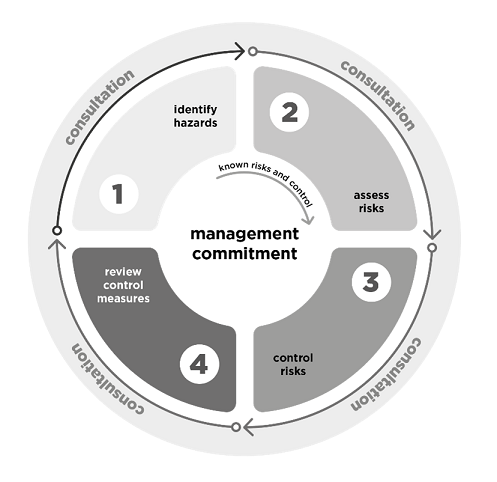
Figure 1. diagram of the risk management process. Source: Safe Work Australia
Creating a Mentally Healthy Workplace
Our Mapien team integrates their multidisciplinary knowledge, to help you create a safe workplace for everyone. We partner with you to identify, design & implement tailored risk control strategies which create lasting organisational benefits that extend far beyond compliance, including:
- A more positive culture
- Better risk identification and management
- Reduced stress and burnout
- Stronger safety outcomes
- Lower workers’ compensation costs
- Improved engagement and team performance
Workplaces that prioritise psychosocial safety and mental health often find that everything from communication to productivity improves as a result.

Your Next Step
For leaders ready to take a strategic step forward, Mapien’s Psychological Health & Safety Maturity Assessment provides a clear starting point. For deeper insights, our Myth Busting Psychosocial Hazard Management paper helps dismantle common misconceptions and guides you toward effective alignment with the Code.
Connect with us
Building a workplace that supports psychological health isn’t just about meeting legal requirements. It’s a long-term investment in your people and the future of your organisation.
To begin your journey, reach out to our expert team at hello@mapien.com.au
If you would like to learn more about our Myth Busting Psychosocial Hazard Management paper, please let us know.
You can also explore the Safe Work Australia Code of Practice for more information.